
 کریستال
 لیزر
لیزر ماژول
ماژول مقاومت
 هیت سینک
 وریستور
 آداپتور
 اپتوکوپلر
 المان خنک کننده
 ای سی
ای سی بردآردوینو
 ترانزیستور
 خازن
خازن دیود
دیود رله
رله سنسور
سنسور سوکت و کانکتور
 سون سگمنت
 شاسی و کلید
 فن و محافظ
 فیوز
فیوز قطعات صوتی
 آچار آلن و ستاره
 آچار پرس سرسیم و سرسوکت
 ابزار و تجهیزات تعمیرات موبایل
 قیچی صنعتی
 کف چین
 لحیم کاری و تعمیرات
 مته و ابزار سوراخ کاری
 مولتیمتر
 انواع دانگل
 کابل برق
 کابل شارژ
 کابل HDMI و VGA
 سایر کابل ها
 DOB 220V
 COB 220V
 پروژکتور
 LED 5mm
 Led SMD
 درایور
 لامپ و سرپیچ
 آسیاب
آسیاب اتو
اتو بلبرینگ
 بند انداز
 سشوار
سشوار جاروبرقی
 چرخ گوشت
 مخلوط کن و خرد کن
 باتری و لوازم جانبی
 بست فلزی
 پیچ، مهره، پرچ و اسپیسر
 سیم و کابل
 چسب و خمیر
 کیسه زیپ دار
قیمت و موجودی بروز می باشد

 قیمت محصول :
340,200 تومان
فقط 2 عدد مانده
 مشاوره و خرید تلفنی : 09140693733
 تنوع بالا محصولات در زمینه الکترونیک، برق، تعمیرات الکترونیک و لامپ و ...
 تنوع در ارسال سفارش به کل کشور
پست پیشتاز، پست ویژه، تیپاکس و ...
 7 روز زمان بازگشت وجه
در سریعترین زمان ممکن هزینه را دریافت نمایید
 بررسی محصول از نظر ظاهری و سالم بودن قبل از ارسال
 7 روز ضمانت بازگشت وجه
خرید با انواع درگاه های پرداخت :
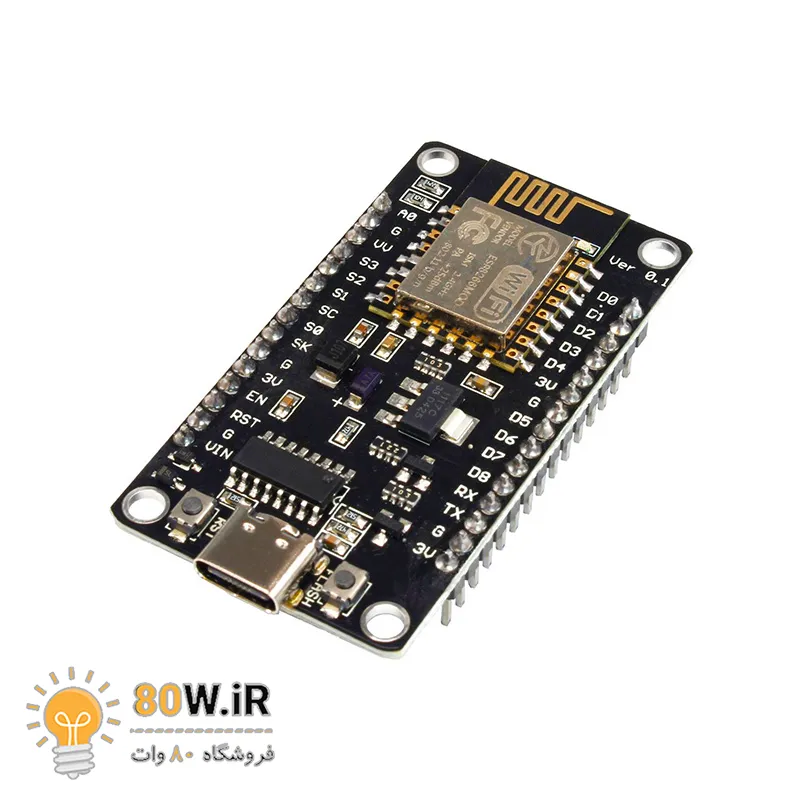
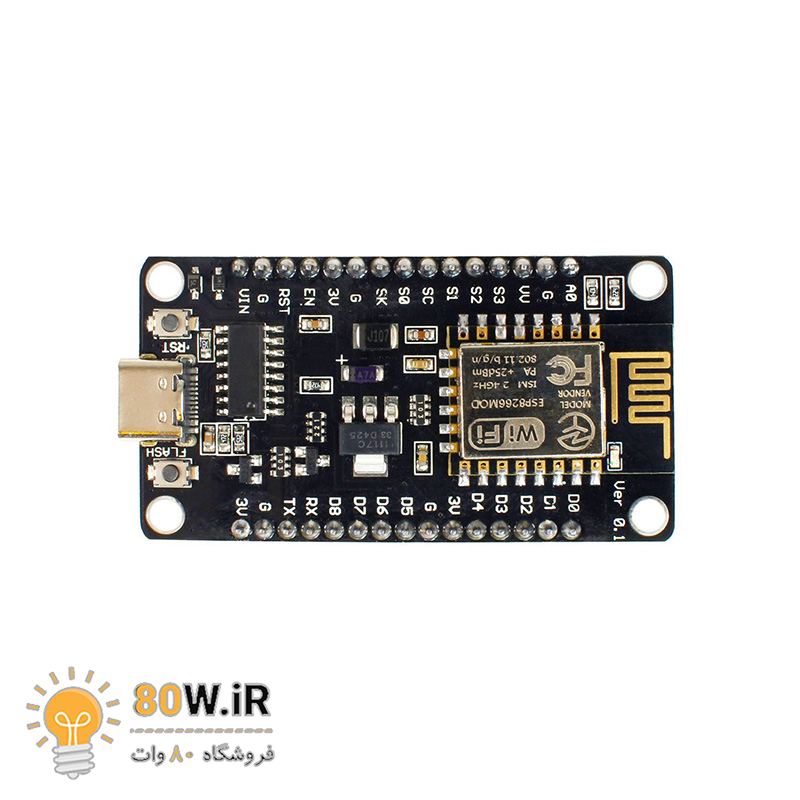
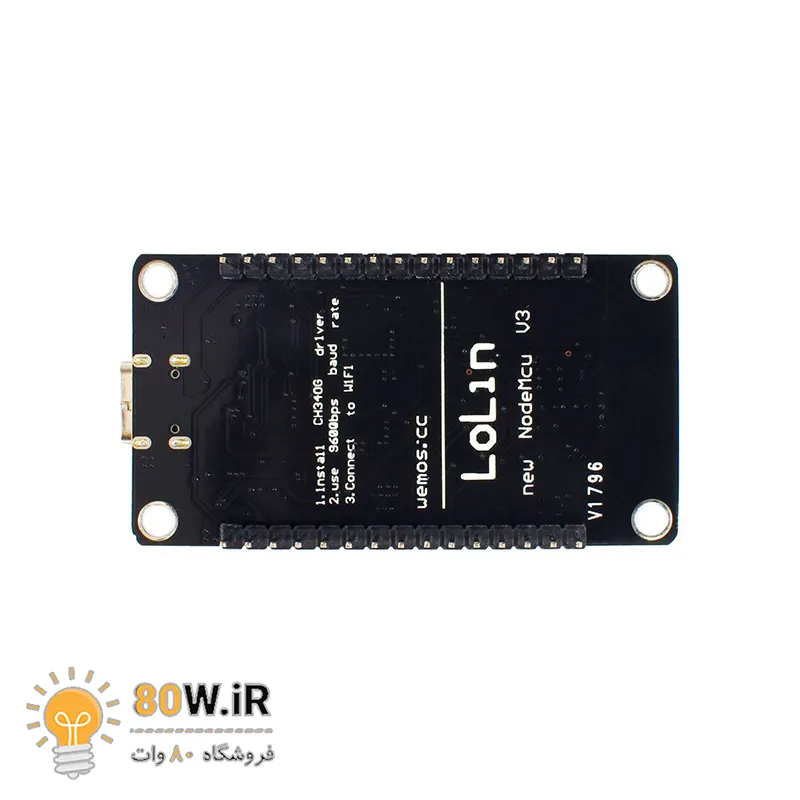
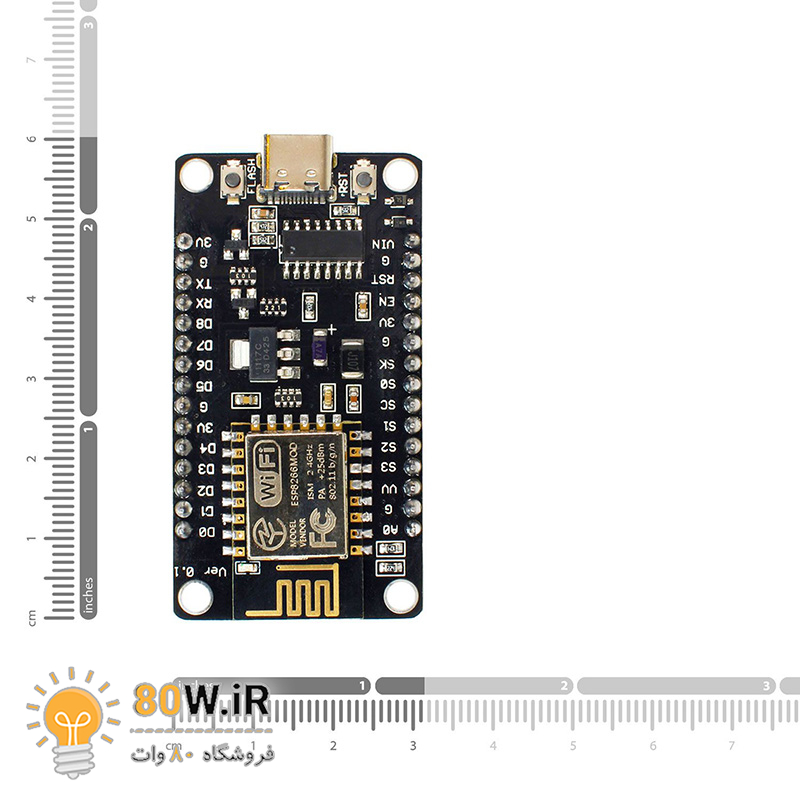
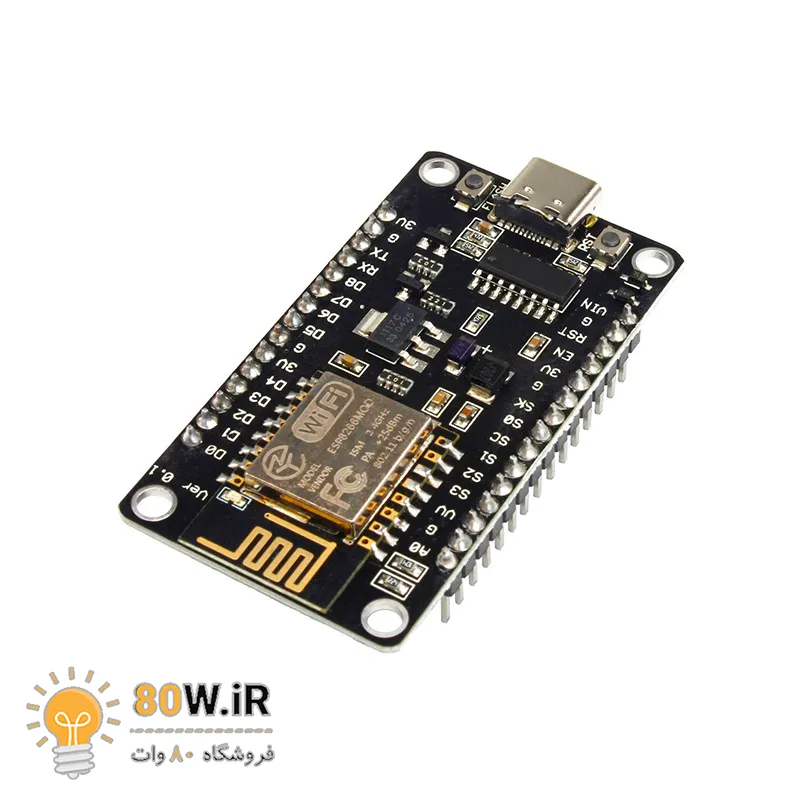
برد کنترلی NodeMCU ESP8266 CH340G با استفاده از ماژول ESP8266 و تراشه مبدل USB به سریال CH340G، یک ابزار قدرتمند برای توسعه پروژههای اینترنت اشیا (IoT)، کاربردهای وب و پخش داده است. این برد با دارا بودن GPIO های متعدد، امکاناتی مانند PWM، ADC، I2C و ارتباط تک سیمه را فراهم میکند و مناسب برای استفاده در پروژههای DIY، اتوماسیون خانگی و سیستمهای هوشمند است.
برای شروع کار با NodeMCU، به کابل USB، کامپیوتر با IDE مناسب (مانند Arduino IDE)، و نصب درایور CH340G نیاز دارید. از طریق رابط USB میتوانید برنامهها را به برد انتقال داده و آن را تغذیه کنید.
The NodeMCU ESP8266 CH340G has several key features that make it a popular choice for IoT projects and prototyping.
The ESP8266 has found widespread adoption in a variety of IoT (Internet of Things) and embedded applications due to its affordable price, built-in Wi-Fi capabilities, and ease of use. Some of the most popular use cases for the ESP8266 include: home automation projects, making IoT devices,s agriculture system, DIY smart gadgets, build weather stations.
The versatility and affordability of the ESP8266 make it a popular choice for hobbyists, students, and professionals looking to prototype and deploy IoT solutions in a wide range of applications.
 بررسی اجمالی
برای ثبت نقد و بررسی وارد حساب کاربری خود شوید.
موجود در انبار
موجود در انبار
موجود در انبار
موجود در انبار

دیدگاهها
هیچ دیدگاهی برای این محصول نوشته نشده است.